Part 2: The Aftermath and the Reality
When the immediate danger passes, a different kind of injury sets in. For many victims, the psychological aftermath lasts far longer than the physical wounds.
A bathroom—once a neutral sanctuary—becomes a source of lingering anxiety. Everyday habits are suddenly disrupted. People affected by these encounters often develop hyper-vigilant compulsions: double-checking the bowl, flicking on lights minutes before entering, or avoiding certain restrooms entirely. Experts note that this trauma is uniquely difficult to shake because it shatters a fundamental sense of security in one’s own home.
Yet, understanding the reality behind the paranoia is crucial: these incidents remain extremely rare.
Millions of people use bathrooms daily without a single issue, even in regions notorious for wildlife. Snakes do not appear out of thin air; they rely on specific vulnerabilities like aging infrastructure, damaged pipes, or open outdoor toilets.
By taking simple preventive steps—maintaining home plumbing, sealing structural gaps, and keeping toilet lids closed—the already minimal risk plummets to near zero.
Ultimately, these stories linger in our minds not just because of the snakes, but because of what they represent: a sudden intrusion into a space where we feel most secure. For those who have lived through it, the memory never fully fades. For everyone else, it remains a rare, unsettling reminder to always look before you sit.

Related Posts
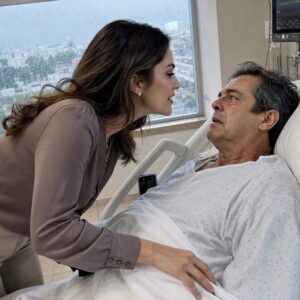
PARTE 2: LOS CINCO DÍAS ERAN UNA TRAMPA
Julián Barragán llegó al hospital cuarenta minutos después. No venía solo. Había avisado discretamente al equipo médico responsable de Ernesto y solicitado que cualquier decisión legal se…
Valeria figuraba relacionada con una de las cuentas bajo revisión. La villa de Puerto Vallarta no había sido pagada con una futura herencia. Ya estaba siendo financiada…
—Puedo explicarlo. —Explícaselo a quienes están investigándolo. Iván intentó desaparecer cuando supo que Ernesto seguía vivo, pero la documentación financiera ya había sido preservada. El resto quedó…
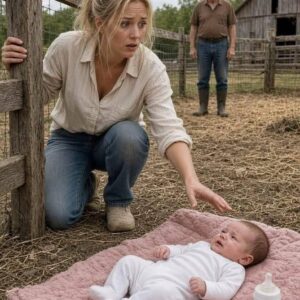
Escuché a mi hija recién nacida llorar desde un corral de animales en desuso después de que mi esposo…
Veinte minutos después de que comenzara la reunión familiar de mi marido, oí llorar a mi hija recién nacida desde un corral de animales en desuso, e…
Le revisé los dedos de las manos y de los pies, la cara y la respiración. Parecía asustada e incómoda, pero respondía bien, así que la llevé…